Recycling and Sustainability — London Waste Removal
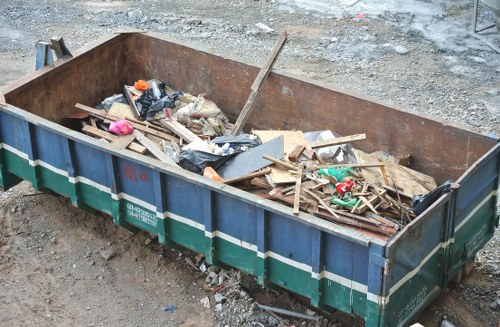 At London Waste Removal we measure our success by the positive environmental impact we create across the city. Our current corporate recycling percentage target is 65% of collected material by 2030, a realistic and ambitious milestone aligned with local borough ambitions and the evolving Londonwide approach to resource recovery. This target covers diverted waste streams from homes, small businesses and construction clearances; it includes materials sent for reuse, remanufacture and high-quality recycling rather than disposal.
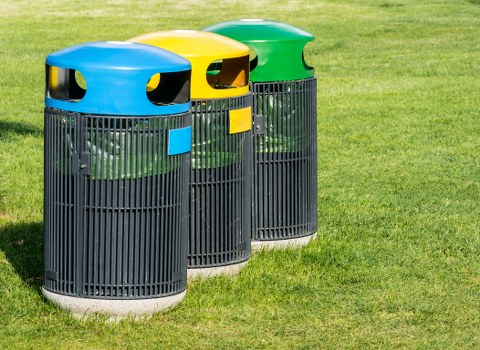
We work hand-in-hand with local authorities and community groups so that our waste removal London operations fit into borough-level strategies. Some boroughs favour strict three-stream separation (food, dry recycling and residual), while others operate co-mingled collections with strong downstream sorting. Our London rubbish removal teams adapt to these variations so the material we collect matches the receiving transfer station's sorting systems.
Local transfer stations and material flows
Our network relies on strategically located transfer stations and treatment sites across the capital — from north to south and east to west — including established facilities such as Edmonton EcoPark and a range of borough transfer yards and resource recovery hubs. These local transfer stations allow us to consolidate loads, reduce vehicle mileage and route materials quickly to the appropriate processing facility. By routing glass to specialist cullet recyclers, paper and card to pulping mills, and mixed dry recyclables to advanced sorting plants, our waste removal services in London minimise contamination and increase yield for recycling.Partnerships with charities and reuse partners
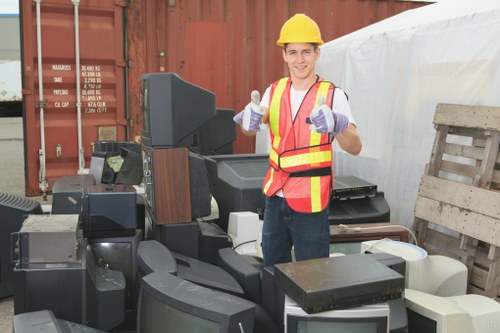
We recognise that the highest form of waste management is reuse. That's why London Waste Removal maintains sustained partnerships with local charities, social enterprises and reuse centres. Working with community groups and not-for-profits, we divert furniture, working appliances and good-quality textiles away from disposal and into reuse streams. These collaborations support circular economy outcomes and social value by extending product lifetimes and creating opportunities for redistribution to vulnerable households.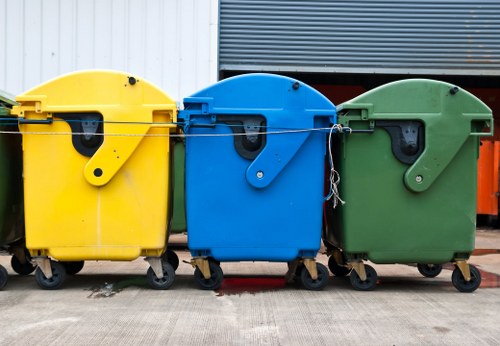 Our partnerships include formal donation pathways to local charities and informal collections coordinated with community reuse weeks. Items destined for reuse are carefully inspected, cleaned and, where necessary, repaired before being passed on. For larger-scale clearances, teams segregate items on site to ensure safe transfers: functional furniture to reuse centres, electricals back to certified WEEE processors or refurbishment partners, and soft furnishings to textile recyclers when reuse isn't possible.
We also work with borough-funded schemes and community-led projects to deliver reuse take-back events, low-cost household goods redistribution and training programmes. These collaborative efforts help us exceed simple recycling targets by capturing value earlier in a product's life.
Operational sustainability is also about how we collect. Our fleet modernisation programme is designed to reduce emissions while maintaining reliable collection. We operate a mix of low-emission and low-carbon vans, including fully electric compact vans for inner-London streets, plug-in hybrids on longer urban routes and Euro VI compliant vehicles for heavier loads. Across waste removal London operations, efficient routing software reduces empty running, and scheduled consolidation at transfer stations keeps mileage down.
 Low-carbon vehicles have transformed day-to-day activity: electric vans reduce local air pollution, and quieter operation supports early-morning drop-offs in dense residential areas. We invest in charging infrastructure at key depots and prioritise low-emission vehicle assignment for areas with stricter air quality or congestion restrictions. Our aim is a measurable carbon intensity reduction in line with our sustainability roadmap, reported annually as part of our environmental performance updates.
 Beyond vehicles and transfer stations, our practical approach to higher recycling performance includes targeted education for customers and operational controls. We offer clear guidance on acceptable materials, ensuring separation practices are compatible with borough systems — for example:
- Food waste separated at source where borough collection permits; we transport it to anaerobic digestion facilities when possible.
- Dry recyclables sorted into paper/card, mixed containers and glass; where boroughs operate co-mingled collections, we optimise downstream sorting to recover maximum value.
- Bulky waste separated to salvage furniture and metals for reuse or specialist recycling.
By aligning our services with local approaches — from kerbside schemes to communal bin stores and bring-bank networks — we support borough recycling goals and reduce the residual fraction sent to energy-from-waste or landfill.
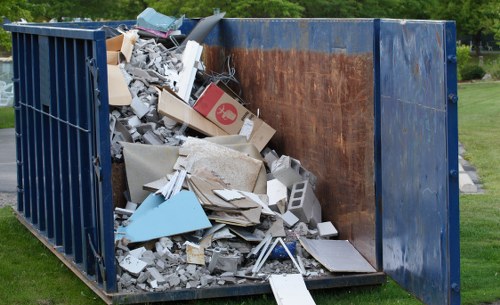
Monitoring and continuous improvement are central to how we meet our recycling percentage target. We track recovery rates at each transfer station, audit contamination levels, and set improvement plans for crews and partners. Our quality assurance checks focus on material quality as much as quantity: high-grade outputs command better processing routes and lower rejection rates. We report progress internally and work with partners to close gaps in collections and processing.
Community engagement is an ongoing priority. Through neighbourhood workshops, charity collaborations, and borough partnerships, we promote practical reuse and recycling habits — not as one-off campaigns but as sustained, measurable change. London Waste Removal is committed to being part of the capital's transition to a circular, low-carbon future: we combine operational efficiency, charity-led reuse, local transfer infrastructure and green fleet investment to raise recycling outcomes across the city.
We continue to refine our services to match borough-level innovations and emerging policy, always aiming to meet or beat our 65% recycling ambition while delivering reliable, low-impact waste removal services in London.