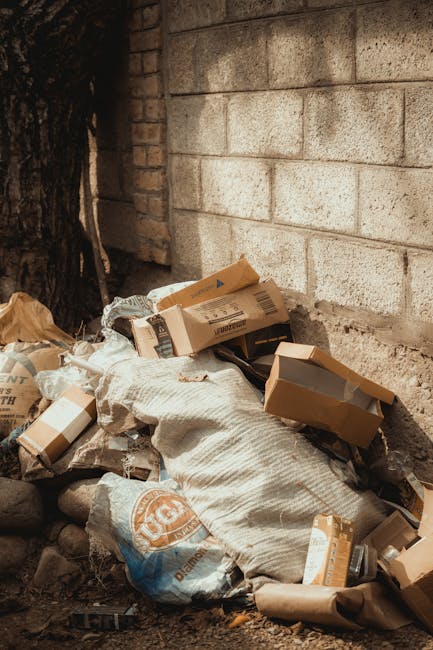
Managing rubbish in London HMOs: landlord responsibilities
Rubbish in an HMO has a habit of turning into a bigger issue than anyone expects. One overflowing bin becomes a smell. The smell becomes a complaint. Then the complaint becomes a council call, a strained tenant relationship, and a headache for the landlord. If you manage shared housing in London, Managing rubbish in London HMOs: landlord responsibilities is not just a housekeeping issue; it is part of keeping the property safe, orderly, and commercially sensible.
This guide breaks down what landlords usually need to think about, how rubbish management works in practice, where problems tend to start, and what good looks like in a busy London HMO. It is written for real-world situations too, because let's face it, shared houses do not run on ideal behaviour. They run on routines, reminders, decent storage, and the occasional firm conversation.
Throughout this article, you will also find practical links to useful pages such as waste removal pricing and quotes, recycling and sustainability guidance, and contact details for tailored support.
Table of Contents
- Why rubbish management in London HMOs matters
- How landlord responsibility works in practice
- Key benefits and practical advantages
- Who this is for and when it makes sense
- Step-by-step guidance for landlords
- Expert tips for better results
- Common mistakes to avoid
- Tools, resources and recommendations
- Law, compliance and best practice
- Options and comparison table
- Case study or real-world example
- Practical checklist
- Conclusion
- Frequently asked questions
Why Managing rubbish in London HMOs: landlord responsibilities Matters
In a single-let property, waste is usually straightforward. In an HMO, it is a shared system with shared pressure points. Multiple occupants create more packaging, food waste, mixed recycling, and bulky items. Add different routines, shift workers, students, or tenants who travel often, and the bin area can get messy quickly.
Why does that matter so much? Because rubbish affects more than appearances. It affects hygiene, pests, fire risk, access routes, neighbour relations, and whether the property feels well run. A tidy waste setup is one of those quiet signals that a building is looked after. People notice. The council notices too, and neighbours definitely notice when bin bags start creeping down the pavement on a wet Tuesday morning.
For London landlords, rubbish control also affects retention. Tenants tend to stay calmer in homes where the bin system is clear and manageable. Nobody likes arguing over who left a takeaway box in the wrong bin. Small thing, big friction.
Expert summary: In HMOs, rubbish management works best when the landlord does not assume tenants will "just sort it out". The property needs the right containers, the right instructions, and a routine that makes proper disposal easy enough to follow.
That does not mean the landlord carries every bag. It does mean the landlord usually has responsibility for making sure waste storage, collection access, and instructions are sensible. If a bin store is too small, hidden, or awkwardly placed, the problem tends to return. Every week. Same mess, different bag.
How Managing rubbish in London HMOs: landlord responsibilities Works
The practical side of rubbish management in an HMO usually comes down to three layers: provision, arrangement, and enforcement.
1. Provision
The landlord needs to provide adequate bin storage or a workable waste solution for the number of occupants. In simple terms, if there are six people producing domestic waste, one small bin is not a serious plan. There should be enough space for general waste, recycling where applicable, and any local collection setup the property uses.
2. Arrangement
Someone needs to make sure waste is removed on a regular basis. Depending on the property, that could mean council collection days, a private collection arrangement, or an ad hoc clearance when things get out of hand. The method matters less than consistency. If rubbish is left to build up, the property becomes unpleasant fast.
3. Enforcement
Tenants need clear rules. Not complicated rules, just proper ones. For example: which bins are for what, where bags go between collections, what to do with cardboard, and whether bulky items must be reported. House rules should be plain English, not a mini legal textbook. People are far more likely to follow a rule they can actually understand at a glance.
In London, the physical environment adds another layer. Narrow streets, limited rear access, basement flats, and front pavement storage can all make rubbish handling trickier. A good setup takes the building shape into account. A bad setup assumes every house works like a suburban driveway. They don't. Not even close.
Where landlords often get caught out is in the grey area between tenant behaviour and landlord control. You may not be able to force a tenant to tidy up after a late-night takeaway. But you can reduce the chances of overflow by making disposal easy, obvious, and routine.
Key Benefits and Practical Advantages
Managing rubbish properly in an HMO is not just about avoiding complaints. There are some very practical advantages too.
- Cleaner communal areas: Hallways, kitchens, gardens, and bin stores stay more usable and less grim.
- Fewer pest issues: Food waste and loose bags attract unwanted visitors very quickly.
- Better tenant satisfaction: People notice when the property feels organised and cared for.
- Lower neighbour friction: No one enjoys living next to a house with bags on the pavement.
- Reduced management stress: Clear systems cut down on repeated messages and reactive clear-ups.
- Improved compliance posture: A tidy waste process supports wider property management standards.
There is also a commercial point that gets overlooked. A well-managed HMO tends to present better during inspections, tenant viewings, and routine maintenance visits. You can tell a lot about a property in ten seconds by looking at the bin area. Fair or not, people do judge.
For landlords trying to improve operating costs, waste management can also be planned more efficiently when collections, recycling habits, and occasional clearances are thought through together. If you are reviewing a property's wider waste setup, it can help to look at waste removal pricing and quote options alongside the building's actual needs.
Who This Is For and When It Makes Sense
This topic matters most for landlords and property managers responsible for HMOs in London, but it also applies to anyone who helps keep one running smoothly. That includes letting agents, block managers, resident caretakers, and investors who are trying to make a shared house feel properly managed rather than loosely supervised.
It especially makes sense if your property has any of the following:
- multiple unrelated tenants
- limited outside space for bins
- communal kitchens with high food waste volume
- frequent tenant turnover
- past problems with overflow, fly-tipping, or missed collections
- complaints from neighbours or managing agents
It also matters if the building has a history of "someone else will deal with it" behaviour. Truth be told, that sentence is the enemy of every tidy bin store in London.
If you are a landlord who visits the property only occasionally, rubbish management should be one of the first things you systemise. You cannot rely on memory or goodwill alone. The mess does not wait politely for your next inspection.
Step-by-Step Guidance
Here is a straightforward way to approach rubbish management in a London HMO without overcomplicating it.
- Assess the property properly.
Look at how many occupants the property has, where waste is stored, how collections happen, and whether the current arrangement actually works in winter, in rain, and when bins are full. - Check local collection realities.
Different London boroughs and streets have different collection arrangements. The exact system depends on the area, so confirm what the property uses rather than assuming. - Provide enough bins or storage capacity.
Under-capacity is one of the biggest causes of problems. If tenants have nowhere suitable to place waste, it ends up in the wrong place. - Create simple house instructions.
Keep them short. Use plain language. Explain what goes in each bin, where bags should be kept, and what tenants should do with bulky items. - Make the bin area easy to use.
Good lighting, clear labels, and access that does not feel awkward all help. If the bin store is unpleasant to use, people avoid it. Human nature, really. - Set a reporting route for excess waste.
If bins are overflowing or someone dumps a sofa, tenants need to know who to tell and how fast to act. - Inspect the area regularly.
Short, routine checks are much better than dramatic clean-ups after everything has gone wrong. - Use professional clearance when needed.
For heavy, mixed, or bulky waste, a proper clearance can reset the property and prevent repeat issues.
If you want a clearer picture of how a professional team handles these jobs, it may help to review the company's health and safety approach and insurance and safety information before booking anything for a live property.
Expert Tips for Better Results
A few small changes often make a bigger difference than expensive fixes.
- Label bins from a standing position. If a tenant has to bend down or guess, the label is not helping much.
- Use photos in tenant welcome packs. A picture of the bin layout is more useful than a paragraph of instructions.
- Store spare bags somewhere obvious. When no bags are available, people improvise. Usually badly.
- Separate food waste from dry recycling where possible. This reduces smell and contamination.
- Plan for Monday morning, not ideal behaviour. Weekends create more waste. So do deliveries, birthdays, and the odd takeaway-heavy night.
- Keep bulky waste separate from day-to-day rubbish. A chair left beside a bin can become an unofficial landmark within hours.
One practical trick that works surprisingly well is to give tenants one page of house waste rules and one picture of the bin area. That is it. Not a manifesto. Not a five-page handbook. Just enough to remove confusion.
Another thing: if a property repeatedly struggles, do not assume the only answer is "more reminders". Sometimes the real fix is a better bin store, a different collection schedule, or a one-off clearance to reset the system.
Common Mistakes to Avoid
Rubbish issues in HMOs usually come from predictable mistakes. The good news is that they are fixable.
- Providing too little bin capacity. This is probably the most common one.
- Assuming tenants already know the rules. They usually do not, or they only half-remember them.
- Hiding bins in hard-to-reach places. If access feels like a chore, waste gets left elsewhere.
- Ignoring bulky waste. One mattress becomes two, then three, and suddenly there is a small furniture display in the yard.
- Letting mixed waste contaminate recycling. Once that becomes habitual, the whole system becomes less efficient.
- Waiting for a complaint before acting. By that point the issue is usually visible from the pavement anyway.
There is also a softer mistake: being too vague. "Please keep the property tidy" sounds fine, but it does not tell anyone what to do on bin day. Specific instructions beat polite ambiguity every time.
If a landlord is struggling with repeat waste problems, it is often worth reviewing the wider service setup too, not just the bins themselves. Sometimes the best route is to speak with a waste removal team and map out a more practical arrangement.
Tools, Resources and Recommendations
You do not need a complicated toolkit to manage waste in an HMO, but a few simple resources help a lot.
| Tool or resource | Why it helps | Best use case |
|---|---|---|
| Clear bin labels | Reduces sorting mistakes | Shared kitchens and multi-bin areas |
| Tenant welcome sheet | Explains bin days and disposal rules | New tenancies and room lets |
| Photographs of the bin store | Makes instructions easier to follow | Properties with multiple entrances or awkward layouts |
| Scheduled inspections | Stops problems becoming major clean-ups | Busy HMOs with frequent turnover |
| Professional clearance support | Handles bulk, mixed, or accumulated waste quickly | Void periods, refurbishments, or major tenant changes |
For landlords who are trying to build a more responsible waste process, the page on recycling and sustainability is a useful place to think through disposal habits as well as the environmental side. That matters more than people sometimes admit. Waste is not just a nuisance; it is part of how a property operates.
And if you are comparing providers, a transparent look at payment and security can be helpful when you are booking clearance work for a managed property.
Law, Compliance, Standards, or Best Practice
Waste management in an HMO sits in a space where legal duties, local collection rules, and property management best practice overlap. The exact obligations will depend on the property, the borough, and the type of waste involved, so careful checking matters.
As a general rule, landlords should not treat rubbish as an informal issue. Shared housing is expected to be managed in a way that avoids nuisance, supports hygiene, and prevents waste from accumulating in unsafe or unsightly ways. Councils may become involved if rubbish is regularly left out, stored badly, or associated with pest problems or obstructed access.
Good practice usually includes:
- adequate bin provision for occupancy levels
- clear tenant instructions
- routine inspections
- prompt action on bulky or abandoned items
- safe handling of any waste removed from the property
If a private contractor is used, landlords should look for sensible safety controls, insurance cover, and clear terms. That is not just caution for caution's sake. In a busy urban setting, waste handling has practical risks: lifting injuries, sharp items, broken glass, contaminated bags, and awkward access routes. Not glamorous, no, but very real.
For trust and transparency, it can also be useful to review business information such as the about us page, the terms and conditions, and the complaints procedure before choosing a service partner. That tells you a lot about how they operate.
If accessibility matters for your residents or staff, the accessibility statement can also be helpful, particularly when information needs to be easy to navigate.
Options, Methods, or Comparison Table
There is no single "right" waste setup for every HMO. The best choice depends on the building size, resident profile, bin access, and how often waste builds up. Here is a practical comparison.
| Method | Best for | Pros | Limitations |
|---|---|---|---|
| Council collection only | Smaller HMOs with stable routines | Simple, familiar, often low-friction | Can struggle with overflow if occupancy is high |
| Mixed council and private clearance support | Medium HMOs with occasional bulky waste | Flexible and practical | Needs coordination and clear responsibility |
| Regular private waste clearance | High-turnover or high-volume properties | More control, faster response times | Usually higher cost than a basic collection-only setup |
| One-off clearance with improved tenant rules | Properties recovering from a messy period | Resets the situation quickly | Works best when followed by better ongoing management |
In practice, many landlords end up with a hybrid approach. That is perfectly normal. A house that mostly behaves well may only need support when things pile up after a tenancy change. Another one may need a steady, scheduled arrangement. The key is matching the method to the building, not the other way round.
Case Study or Real-World Example
Here is a realistic example, kept general and non-identifying.
A landlord managing a four-bedroom HMO in London noticed recurring complaints about bags being left beside the bins. The tenants were not intentionally careless, but the bin store was tight, the instructions were vague, and bulky cardboard from online deliveries kept blocking access. By the end of the week, there was often a damp smell, especially after rain. Nothing dramatic, just enough to annoy everyone.
The fix was not complicated:
- the landlord added clearer bin labels
- the household rules were reduced to one short sheet
- an inspection was added after the main collection day
- a one-off clearance removed old cardboard and unwanted items
- tenants were told exactly who to contact if bins were full
The result was better because the system became easier to follow. People stopped guessing. That sounds almost too simple, but it usually is simple once the right pieces are in place.
The real lesson? Most waste issues in HMOs are not caused by a single bad tenant. They are caused by weak systems. Fix the system and the daily mess usually becomes more manageable.
Practical Checklist
Use this checklist when reviewing rubbish management in a London HMO.
- There is enough bin capacity for the number of occupants.
- Bin locations are easy to reach and easy to use.
- Tenants know what goes in each bin.
- Collection days or clearance schedules are clearly communicated.
- Bulky item reporting is covered in house instructions.
- The bin area is checked regularly.
- Food waste and recyclables are handled separately where possible.
- Overflow risk is reviewed after tenancy changes or busy periods.
- Any contractor used has clear terms, sensible safety measures, and transparent payment arrangements.
- The system is simple enough that a new tenant can understand it quickly.
If you can tick most of those boxes, you are in a much better place than many landlords operating on autopilot.
Conclusion
Managing rubbish in a London HMO is one of those tasks that looks minor until it starts causing problems. Then suddenly it is affecting tenant satisfaction, neighbour relations, hygiene, and the day-to-day feel of the property. The good news is that most waste issues can be improved with clear rules, enough storage, regular checks, and practical support when the volume gets too much.
For landlords, the real responsibility is not just collection. It is creating a system that works for shared living in a busy city. That means thinking ahead, keeping instructions simple, and stepping in before the bin area turns into a running joke. Nobody needs that, honestly.
Get the setup right and the whole house feels calmer. A small thing, maybe. But in an HMO, small things carry a lot of weight.
Get a free quote today and see how much you can save.
For more background on the company and its approach, you can also review the modern slavery statement and the privacy policy, especially if you want a fuller picture of how information and responsibility are handled.
Frequently Asked Questions
Who is responsible for rubbish in a London HMO, the landlord or the tenants?
In practice, both have roles. Tenants usually need to dispose of waste correctly day to day, while the landlord is generally responsible for providing a workable system, clear instructions, and suitable storage or collection arrangements.
What should a landlord provide for waste management in an HMO?
A landlord should usually provide enough bin capacity, clear sorting instructions, and a safe, accessible area for waste storage. If the current setup keeps overflowing, it is probably under-sized or poorly organised.
How often should an HMO bin area be checked?
That depends on the property's size and turnover, but regular checks are sensible. For some homes, once a week is enough; for busier properties, more frequent checks may be needed. The point is to catch problems early, not after the smell has done the rounds.
Can tenants be told to take bins out on collection day?
Yes, but the expectation should be made very clear in the house rules. It helps if the instructions say exactly which bins go out, when, and where they should be returned afterwards.
What happens if rubbish keeps piling up outside an HMO?
Repeated overflow can lead to complaints, pests, unpleasant smells, and possibly enforcement attention depending on the situation. It also creates a poor impression for visitors, neighbours, and prospective tenants.
Is bulky waste the landlord's responsibility?
Often yes, at least in the sense that the landlord needs to make sure bulky waste does not sit around indefinitely. The exact responsibility can depend on who caused it and the tenancy terms, but in real life the landlord usually has to organise a solution.
Do landlords need separate recycling arrangements for HMOs?
Where the property and local collection system support it, separate recycling is usually a good idea. It reduces contamination and helps keep the waste area tidier. A simple system is better than a perfect system nobody follows.
What if tenants ignore the waste rules?
Start by making the rules easier to follow. Use simple instructions, clear labels, and reminders. If the issue continues, follow your tenancy process and address it formally. Sometimes the problem is behaviour, but often it is confusion or friction in the setup.
Are private waste clearances worth it for HMOs?
They can be, especially if the property produces a lot of waste, has recurring overflow, or needs a reset after a tenancy change. The value comes from speed, consistency, and avoiding larger problems later.
How can I reduce rubbish problems without spending a fortune?
Start with the basics: better labels, clearer instructions, regular checks, and enough bin space. Those small changes often do more than people expect. If a property still struggles, a one-off clearance and a revised routine may be the smartest next step.
Where can I get help if my HMO waste setup is already messy?
You can start by reviewing your current bin layout and collection routine, then contact a professional waste team for practical support. If you need a straightforward next step, use the contact page to discuss the property and the level of waste involved.