Islington Council bulky waste permits and fines: a practical guide for avoiding costly mistakes
If you are dealing with a sofa, mattress, broken wardrobe, or a pile of household junk in Islington, the rules can feel oddly strict for something that seems so simple. That is exactly why people search for Islington Council bulky waste permits and fines in the first place: they want to know what is allowed, what could trigger a penalty, and how to get rid of items without turning a clear-out into a headache.
Truth be told, bulky waste is one of those jobs that looks easy until you are standing in the hallway at 8pm with a dining table no one wants and a bin collection due the next morning. This guide breaks down what the issue usually means in practice, how council collection and private clearance differ, what the fine risks are, and how to choose the safest, most sensible route. We will keep it plain English and properly useful.
Table of Contents
- Why Islington Council bulky waste permits and fines matters
- How Islington Council bulky waste permits and fines works
- Key benefits and practical advantages
- Who this is for and when it makes sense
- Step-by-step guidance
- Expert tips for better results
- Common mistakes to avoid
- Tools, resources and recommendations
- Law, compliance, standards and best practice
- Options, methods and comparison
- Case study or real-world example
- Practical checklist
- Conclusion
- Frequently asked questions
Why Islington Council bulky waste permits and fines Matters
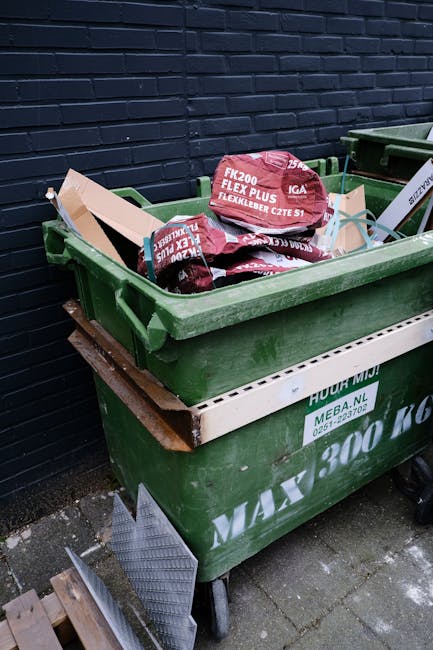
Bulky waste rules matter because furniture, appliances and mixed household items are not treated the same as everyday bin rubbish. Put simply, leaving items out incorrectly, using the wrong collection route, or handing waste to an unlicensed operator can create avoidable problems. In a busy borough like Islington, where pavements are narrow and shared entrances are common, those mistakes are more noticeable and more likely to be acted on.
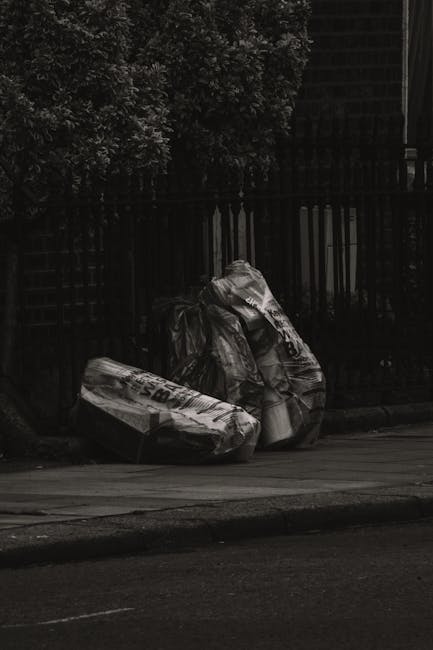
The fine side of the topic is what catches people out. If waste is dumped on a street, placed outside at the wrong time, or left in a communal area without permission, the council can treat it as fly-tipping or an obstruction issue. That is the bit nobody wants. Not the paperwork, not the awkward note from the landlord, and definitely not the penalty.
There is also a practical angle. A sofa that is perfectly manageable in a house can become a problem in a flat block with no lift, a tight stairwell and neighbours trying to get past. A simple decision about disposal can turn into a time issue, a safety issue, and yes, a cost issue. That is why getting the approach right at the beginning saves you hassle later.
Expert summary: If you are unsure whether your bulky waste should go through the council, a private collection, or a specialist clearance team, the safest answer is usually the one that keeps the waste traceable, the property tidy, and the route compliant. The cheapest option is not always the lowest-cost option once fines, delays and extra lifting are counted in.
How Islington Council bulky waste permits and fines Works
There are three common layers to understand here: what counts as bulky waste, how permission or collection arrangements work, and what can lead to a fine if things go wrong.
1. What counts as bulky waste
Bulky waste usually means items too large for normal household bins or sacks. Think wardrobes, beds, sofas, tables, desks, exercise equipment, old carpets, and similar larger objects. Builders' rubble, soil, and renovation debris are often treated differently, which is why a job involving old kitchen units may need more than a basic bulky item collection.
2. How collection arrangements usually work
Council bulky waste services are typically arranged in advance and may require items to be listed clearly, placed out in a specific way, and made ready for collection at the approved time. In some properties, especially flats or managed blocks, there may also be rules from the landlord or managing agent about where items can be left. Those building rules are not a side issue; they matter.
If you are using a private waste carrier, the expectation is different but just as serious. The operator should remove the items legally, transport them properly and dispose of them at a legitimate facility. That is why many residents compare options against broader services such as general waste removal support or a more specific clearance service like furniture clearance.
3. What can trigger fines
Fines and enforcement action usually come into play where waste is left in the wrong place, presented incorrectly, dumped in communal areas, or handed to someone who cannot legally handle it. In practical terms, these are the common scenarios:
- items left on the pavement without proper arrangement
- unwanted furniture placed beside communal bins
- builders' waste mixed with domestic bulky items
- waste moved from one location to another and abandoned
- using an unlicensed collector who later fly-tips the load
That last one is a nasty one, because the original householder can still end up explaining what happened. Nobody enjoys that conversation, obviously.
Key Benefits and Practical Advantages
Getting the bulky waste process right is not just about avoiding penalties. It also gives you a cleaner, faster and less stressful move from problem item to clear space.
- Lower risk of fines: Correct presentation and lawful disposal reduce the chance of enforcement action.
- Less disruption: A planned collection is easier on neighbours, porters and shared hallways.
- Better safety: Heavy furniture and sharp edges are handled more carefully, which matters on staircases and in cramped flats.
- Clearer accountability: A proper service gives you a traceable route for the waste.
- Faster turnaround: When you know the rules, you can move items out in one go rather than letting them sit there for days.
For households with several large items, a broader clearance approach is often more efficient. A full home clearance or house clearance can make more sense than one-item-at-a-time disposal, especially when time is tight. If the job is lighter, a targeted collection may be enough. The key is matching the method to the actual mess.
There is also an environmental upside. A good clearance plan often separates reusable items, recyclable materials and true waste, which is much better than the old "get it gone somehow" approach. Let's face it, most people want the room back, but they also do not want perfectly usable furniture to end up wasted.
Who This Is For and When It Makes Sense
This topic matters to a wide mix of people, not just homeowners. If any of the following sounds familiar, you are in the right place:
- tenants moving out of a flat and needing to clear a sofa or mattress
- landlords dealing with left-behind furniture after a tenancy ends
- families clearing a spare room, loft or garage
- small businesses replacing office furniture or old storage units
- property managers sorting communal clutter or abandoned bulky items
- homeowners who need help deciding between council collection and a private team
Sometimes the decision is obvious. A single damaged chair is one thing. A full garage packed with broken cabinets, old paint tins and a filing unit that somehow got heavier over the years? That is a different conversation. If the job expands beyond a couple of items, looking at a service like garage clearance or loft clearance may be the more practical route.
For businesses, bulky waste tends to be tied to refurbishments, fit-outs or routine replacement. In those cases, a dedicated business waste removal service is often a better fit than trying to treat office furniture as ordinary domestic waste. Same items, different obligations. That distinction matters.
Step-by-Step Guidance
If you want to avoid fines and make the process smoother, work through the job in order. A bit of planning goes a long way here.
- Identify the items clearly. Separate furniture, electricals, renovation waste and general rubbish. Mixed piles cause confusion and sometimes extra charges.
- Check whether the items are council-eligible. Some items may be accepted as bulky waste, while others need a different disposal route.
- Review property rules. If you live in a flat, look at building guidance for shared entrances, fire exits and bin stores.
- Choose the right disposal method. Compare council collection with a private clearance service based on timing, access and volume.
- Prepare the items properly. Remove loose contents, detach drawers if needed, and place items where they can be collected safely.
- Keep access clear. Make sure hallways, stairs and doorways are not blocked. A surprising number of problems start with a stuck corner on a landing.
- Confirm the collection arrangement. If you have booked a service, double-check the day, time and instructions.
- Ask for disposal clarity. If you are using a private operator, ask how materials are handled and whether reusable items are separated.
One useful habit: take a quick photo of the items before collection. It is not glamorous, but it helps if you need to confirm what was removed or show that you followed the instructions. Handy, really.
Expert Tips for Better Results
Small adjustments can make bulky waste removal much easier. These are the things that tend to save time and reduce stress:
- Group items by type. Keep furniture, electricals and builders' materials apart where possible.
- Measure awkward pieces. That huge wardrobe may fit out of the room, but only after the doors are taken off.
- Think about access first. Ground floor, top floor, basement, lift or no lift - access changes everything.
- Protect shared spaces. Use care on stairs and corridors, especially in older London buildings where walls scuff easily.
- Book with timing in mind. If you have an end-of-tenancy deadline, plan earlier than feels necessary. Things always take longer than you think.
- Look at reuse before disposal. A service that can handle furniture disposal responsibly may also help separate reusable items from waste.
In our experience, the jobs that go best are the boringly organised ones. Label the pile, clear a path, keep the booking details handy. Nothing fancy. Just the kind of small prep that stops a big faff later on.
Common Mistakes to Avoid
Most bulky waste problems are not caused by malice. They are caused by assumption. People think an item is "fine to leave out" or "surely the driver will take it" and then, well, it gets messy.
- Leaving items outside too early. This can create obstruction or attract complaints.
- Mixing waste types. Building debris, electrical waste and household furniture may not be handled the same way.
- Using informal collectors. If the operator is not properly licensed, you take on more risk than you might expect.
- Forgetting landlord or estate rules. Shared blocks often have stricter requirements than people realise.
- Assuming "bulky" means "anything large". Not quite. Some items need special handling, especially if they contain hazardous materials.
- Waiting until the last day. That is how good intentions turn into panic.
A small but important one: do not treat a stairwell as temporary storage. It sounds obvious, but people do it. Then someone trips, someone complains, and suddenly a simple clear-out feels like a dispute. Not worth it.
Tools, Resources and Recommendations
You do not need a van full of equipment to manage bulky waste properly, but a few basic tools make life easier. Think of this as the practical side of staying organised.
| Need | Useful tool or approach | Why it helps |
|---|---|---|
| Sorting items | Sticky notes or simple labels | Keeps furniture, electricals and general clutter separated |
| Measuring access | Tape measure | Helps avoid getting stuck in doorways and stairwells |
| Planning the job | Basic written checklist | Stops important steps being forgotten on the day |
| Protecting the route | Old blankets or floor protection | Reduces scuffs in communal areas and hallways |
| Comparing disposal routes | Clear service quote and item list | Makes it easier to choose between collection options |
If your job is part of a larger property clean-up, it can be worth looking at flat clearance, furniture clearance, or even a broader office clearance if you are dealing with work premises. Different jobs, same basic aim: remove the right items in the right way.
For people comparing providers, pages such as pricing and quotes, recycling and sustainability, and insurance and safety can be especially useful when you are deciding how to proceed. Those topics are not flashy, but they matter more than most people expect.
Law, Compliance, Standards, or Best Practice
This area touches on local authority rules, waste duty of care, and general environmental responsibility. You do not need to memorise legal jargon to stay safe, but you do need the core idea: if you produce waste, you remain responsible for making sure it is handled properly until it reaches a lawful destination.
Best practice means using a legitimate route, keeping the waste out of public spaces unless collection arrangements require otherwise, and making sure the person taking it away is actually capable of disposing of it correctly. If you are a landlord, managing agent or business owner, that responsibility becomes even more important because multiple people may rely on your process being solid.
For shared buildings, compliance also includes practical courtesy. Keep exits clear, avoid blocking common areas, and do not leave bulky waste where it could create a fire or trip hazard. That may sound basic, but basic is often what stops a problem becoming a formal complaint.
There is no shame in asking for clarity. In fact, that is the sensible move. If an item is awkward, contaminated, damaged beyond use, or mixed with construction waste, pause and check the best disposal method before moving it. A minute of caution can save a lot of trouble.
Options, Methods, or Comparison Table
Choosing between council collection and private clearance depends on what you are clearing, how quickly you need it gone, and how much hands-on help you want. Here is a straightforward comparison.
| Option | Best for | Strengths | Things to watch |
|---|---|---|---|
| Council bulky waste collection | Simple household items and planned clear-outs | Familiar, structured, usually suitable for basic needs | May have set rules, timing limits and item restrictions |
| Private waste removal | Urgent jobs, mixed loads, awkward access | Flexible, often quicker, useful for larger jobs | Need to choose a trustworthy operator |
| Specialist furniture disposal | Large furnishings and reusable items | Good for sofas, wardrobes, beds and similar pieces | Not ideal if the load includes mixed rubble or hazardous material |
| Full property clearance | Estate, tenancy, move-out or refurbishment jobs | Efficient for multiple items and larger volumes | Needs good planning and clear access |
If you are uncertain, start by defining the job honestly. One sofa and a broken chair is not the same as a full loft. That sounds obvious, but people understate the scale of the work more often than you might think.
Case Study or Real-World Example
A typical Islington scenario goes like this. A tenant moves out of a first-floor flat near a busy high street and leaves behind a sofa, a mattress and two small cabinets. At first glance, it looks like a simple bulky waste job. But the stairwell is narrow, the building has a shared entryway, and the landlord wants the hallway kept clear for other residents.
If the tenant leaves the items in the wrong place, or dumps them outside too early, the risk goes up fast. Neighbours complain, the building manager gets involved, and the waste may be treated as improperly presented or even abandoned. That is where fines or further action can become a real concern.
The smoother version is much less dramatic. The items are grouped, the route is checked, the collection is booked properly, and the haul is removed in one clean visit. No dragging furniture through the hall at the last minute, no awkward emails, no mystery pile outside the front door the next morning. Just done.
In cases like this, a service that combines collection and responsible disposal is usually the better fit than trying to force everything through a one-size-fits-all arrangement. That is especially true where access is awkward or the property is part of a managed block.
Practical Checklist
Use this before you put anything out for collection.
- Have I identified exactly which items need removing?
- Are any items electrical, hazardous, or made of mixed materials?
- Have I checked whether the council can accept them as bulky waste?
- Do I need permission from a landlord, managing agent or building manager?
- Is the route from the room to the exit clear?
- Have I measured any large or awkward items?
- Do I know when and where the items should be placed?
- Have I chosen the safest disposal route for the size of the job?
- Have I confirmed who is collecting and how the waste will be handled?
- Have I kept photos or notes in case I need them later?
If the answer to one of those is no, pause for a moment. It is usually worth sorting it properly rather than pushing ahead and hoping for the best. Hope is not a disposal strategy, sadly.
Get a free quote today and see how much you can save.
Conclusion
Islington Council bulky waste permits and fines is really about one thing: handling large items in a way that avoids nuisance, keeps people safe, and stays on the right side of the rules. Once you strip away the jargon, the basics are straightforward. Know what you are disposing of, use the right route, and do not leave waste where it should not be.
If your job is small, planned and simple, a council route may be enough. If it is bigger, awkward, time-sensitive or mixed with furniture, building waste or office items, a more flexible clearance solution may be the better call. Either way, the smart move is to deal with it cleanly rather than risk a fine or a messy dispute later. A tidy result feels good, honestly. You can breathe again.
And once the clutter is gone, that quiet, empty bit of space in the room feels better than you expect.
Frequently Asked Questions
What do people usually mean by Islington Council bulky waste permits and fines?
They usually mean the rules around putting large household items out for collection, using the correct permission or booking process, and avoiding penalties for dumping or obstructing public or communal spaces.
What counts as bulky waste in a typical household clear-out?
Usually large items such as sofas, beds, mattresses, wardrobes, tables, chairs and similar pieces that will not fit in normal bins. Some items may need special handling, so it is worth separating them first.
Can I just leave bulky items on the pavement in Islington?
Not safely, and not usually without proper arrangement. Leaving items out incorrectly can create obstruction issues and may lead to enforcement action if it is treated as fly-tipping or poor waste presentation.
Are fines only for fly-tipping?
No. Fines or penalties can also arise from leaving waste in the wrong place, not following collection instructions, or causing an obstruction in a shared or public area.
What if I live in a flat and have no lift?
That makes planning more important, not less. Measure the route, check building rules, and decide whether a simple collection or a fuller service like flat clearance is the cleaner option.
Do landlords need to worry about bulky waste too?
Yes. If left-behind furniture or rubbish becomes part of a tenancy changeover, landlords and agents often have to manage removal quickly and responsibly. A proper clearance plan helps avoid complaints and delays.
Is it better to use the council or a private waste carrier?
It depends on the job. Council collection can suit straightforward household items, while private clearance may be better for urgent, mixed or awkward jobs. The right answer is the one that fits the size and timing of the removal.
How do I reduce the chance of a fine?
Keep waste out of public areas unless properly arranged, follow any collection instructions, separate item types, and make sure the collector is legitimate. A little preparation goes a long way.
What should I do with furniture I no longer want but is still usable?
Look for a disposal route that prioritises reuse or responsible handling. A service focused on furniture disposal can be more suitable than dumping usable items with general rubbish.
Can bulky waste include office furniture or business items?
Yes, but business waste usually needs a more appropriate commercial route. For desks, chairs, cabinets and similar items from workplaces, office clearance or business waste removal is often the smarter option.
What is the biggest mistake people make with bulky waste?
The biggest mistake is assuming someone else will handle it correctly once it is outside. If the item is placed badly, collected by the wrong person, or mixed with the wrong type of waste, the problem can come back on you.
Where can I find help if my bulky waste job is bigger than expected?
If the pile keeps growing as you clear one cupboard after another, that is usually the sign to switch from a small-item plan to a broader clearance service. A well-organised waste removal approach is often the least stressful route.