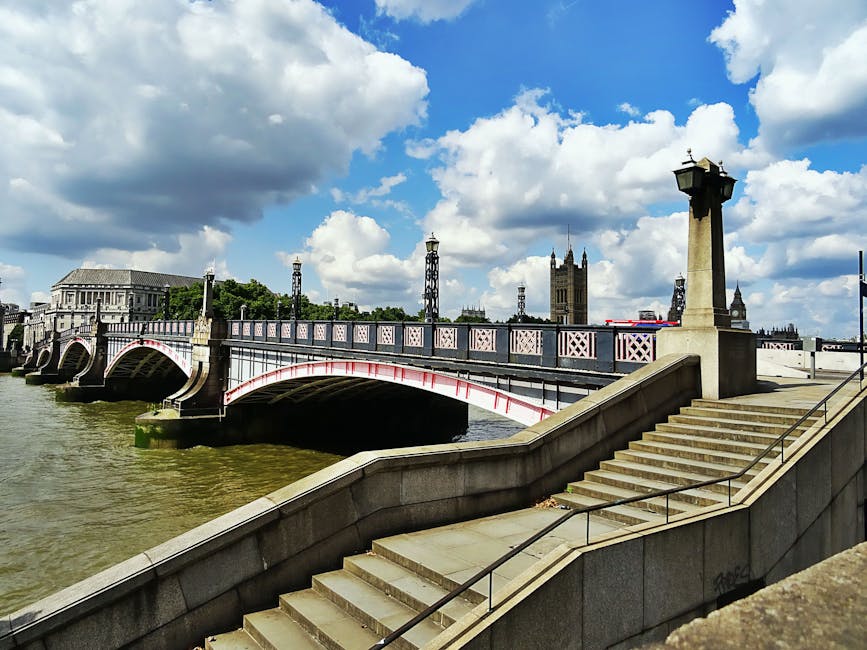
Avoid hidden rubbish removal charges London Lambeth
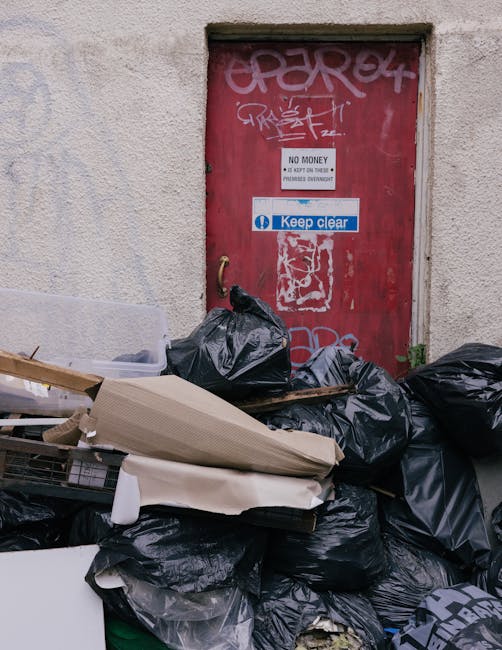
If you are trying to avoid hidden rubbish removal charges London Lambeth, you are probably doing what most sensible people do: comparing a few quotes, trying to make sense of what is included, and wondering why one price looks oddly low. Fair enough. In rubbish removal, the headline number is only half the story. The real cost often shows up in extras, awkward access fees, parking complications, or disposal add-ons that were never made properly clear in the first place.
That is frustrating, especially in Lambeth where streets can be tight, parking can be tricky, and properties vary from basement flats to busy terraces and converted buildings. This guide walks you through how hidden charges happen, what to check before you book, and how to make a fair comparison without getting caught out. You will also find practical steps, a simple checklist, and a few real-world examples so you can book with more confidence and less stress.
Why Avoid hidden rubbish removal charges London Lambeth Matters
Hidden charges are not just an annoyance. They can turn a sensible clearance job into a messy, expensive afternoon. In a place like Lambeth, where many jobs involve flats, shared entrances, controlled parking zones, or a lot of stairs, the final price can change fast if the quote was too vague. That is why being careful up front matters so much.
To be fair, not every added cost is unfair. Sometimes the team truly does face a different job than expected: more bags than mentioned, heavier items, no lift, or waste that needs special handling. The problem is not extra cost itself. The problem is surprise cost. Nobody likes hearing "there's been a change" once the van is outside and you are already committed.
There is another reason this matters. A quote that seems cheap at first may be built on assumptions you were never told about. Maybe the price covers only collection from the kerb, not from inside the property. Maybe it excludes VAT. Maybe it assumes one small load when your loft is clearly not one small load. The more clearly you understand the structure of the price, the less likely you are to pay twice for the same job.
In our experience, the most satisfied customers are the ones who ask a few direct questions early. Not awkward questions. Just practical ones. "Is loading included?" "What happens if access is difficult?" "Are disposal charges already covered?" Simple stuff, but it saves a lot of bother later.
How Avoid hidden rubbish removal charges London Lambeth Works
The idea is straightforward: get a quote that reflects the real job, confirm exactly what is included, and make sure any likely extras are discussed before collection day. That sounds obvious, but hidden charges usually appear when the scope is fuzzy. A good quote is not just a number; it is a breakdown of assumptions.
Here is how the process normally works when it is done properly:
- You describe the waste, the volume, and where it is located.
- The provider estimates the labour, vehicle space, disposal route, and access needs.
- A price is given with clear inclusions and any exclusions explained.
- If the job changes on arrival, the revised price should be explained before work continues.
That last part matters a lot. A decent operator will not spring a change on you after everything has been lifted and loaded. If anything looks different, they should say so early. Honest communication is the whole game here.
You will also notice that rubbish removal pricing often depends on a few practical details:
- Volume - how much space the waste takes up.
- Weight - especially for soil, rubble, tiles, or wet waste.
- Access - stairs, narrow hallways, no parking, or long carries.
- Waste type - general rubbish, furniture, builder's waste, garden waste, or mixed loads.
- Timing - same-day or urgent jobs may cost more.
For a straightforward domestic clearance, you may only need a simple quote. For more involved jobs, it can help to share photos, dimensions, or a quick video walkthrough. A good provider should be able to tell quite quickly whether the estimate is likely to hold. If they cannot, that is a signal in itself.
Key Benefits and Practical Advantages
The biggest benefit is obvious: you protect your budget. But the real value goes beyond saving a few pounds. You get clarity, less stress, and a smoother clearance day. When the numbers are clear, you can make better decisions. That is especially useful if you are clearing a flat, helping a family member, or trying to sort a property before a deadline.
Here are the main advantages of taking hidden charges seriously:
- Better price control - fewer nasty surprises after the job is done.
- More accurate comparison - you can compare like with like, not apples with pears.
- Less risk of delay - no long argument at the door about "unexpected" extras.
- Improved trust - clear pricing usually reflects a more organised service.
- Better planning - useful if you need to coordinate with cleaners, movers, or landlords.
There is also a quieter benefit: peace of mind. You stop second-guessing the invoice. That matters more than people admit, especially when the day is already full of boxes, dust, and the odd old chair that somehow survived three house moves. Let's face it, nobody wants a surprise bill on top of a tiring day.
If you are comparing providers, look for signs that they understand the realities of London work: parking restrictions, busy roads, shared access, and the fact that waste may need to be carried down several flights of stairs. Providers who already think about these things are usually better at pricing them honestly too.
Who This Is For and When It Makes Sense
This approach makes sense for anyone who wants a rubbish removal quote they can actually trust. But it is especially useful in a few common situations.
Homeowners and tenants often need to clear mixed waste after decluttering, moving, or refurbishing a room. Hidden charges can creep in when the job starts looking bigger than it sounded on the phone.
Landlords and letting agents need reliable costs because void periods move quickly. A sudden pricing change can mess with the handover schedule, which is no one's idea of fun.
Flat owners and residents in shared buildings may face awkward access, limited parking, or lift restrictions. These practical details can be perfectly manageable, but they should be priced transparently from the start.
Businesses need clear billing more than most. Whether it is office waste, stockroom clutter, or furniture removal, unclear pricing can make procurement awkward and create questions nobody has time to answer later. If you are arranging a workplace clearance, it can help to review a service like business waste removal and check what is included before you commit.
Sometimes the need is simple: a garage that has quietly become a storage unit for old paint tins, broken shelves, and "I might need that someday" items. We have all seen that situation. It happens slowly, then all at once.
If your job involves bulky furniture, a loft clear-out, or a full household reset, it may also be worth looking at related services such as furniture clearance, loft clearance, or house clearance so you can match the service to the real task.
Step-by-Step Guidance
If you want a practical way to avoid hidden rubbish removal charges, follow this process. It is simple enough, though the details matter. A bit of care here saves a headache later.
- List exactly what needs removing. Include the main items, bag count, and any awkward waste such as rubble, garden cuttings, or damaged furniture.
- Check access conditions. Note stairs, basement entry, narrow hallways, parking limits, locked gates, or long walking distances from the van to the property.
- Ask what the quote includes. Loading, labour, transport, disposal, VAT, and any waiting time should all be clear.
- Ask about possible extras. Common extras can include heavy lifting, missed descriptions, extra volume, or restricted access. Get these explained before the booking.
- Request a written estimate. Even a short written message is better than relying on memory after a quick phone call.
- Share photos if useful. A few clear images often help the provider price the job more accurately. Not glamorous, but effective.
- Confirm the collection window and payment method. This avoids awkwardness later, especially if you need a receipt or invoice.
- Recheck on arrival if the job has changed. If the team sees something different, the revised price should be explained before work continues.
One small but useful habit: keep your own notes. A quick message thread or email can be enough. That way, if there is any confusion, you have something to refer back to. It sounds a bit cautious, maybe even slightly fussy, but honestly it is just sensible.
Expert Tips for Better Results
Most hidden charges can be prevented with a few strong habits. None of these are complicated. They are just the kind of details experienced customers tend to handle better.
- Describe the waste honestly. If the job includes builder's waste, wet garden waste, or very heavy items, say so from the beginning.
- Use photos instead of guesswork. "It's just a few bags" can turn into two van loads very quickly. Photos cut through optimism.
- Ask what happens if the load is bigger. A fair provider should explain the adjustment method before the van arrives.
- Check whether stairs or carrying distance matter. In London, this can affect labour time more than people expect.
- Keep an eye on disposal clarity. If waste is being taken away legally and responsibly, disposal should be reflected clearly in the price structure.
- Do not focus only on the cheapest quote. The lowest number can be the least honest. That old lesson keeps reappearing.
Another tip: ask how the provider handles mixed loads. A garage clearance, for example, may contain reusable furniture, general rubbish, cardboard, old tools, and a few awkward bits of renovation waste. That mix can affect sorting, labour, and disposal. If you are also clearing outdoor waste, a dedicated service such as garden clearance may be more transparent than a vague all-purpose quote.
And here is a small real-world observation. Jobs quoted over the phone without any details are the ones most likely to wobble later. Not always, but enough to make caution worthwhile. A few minutes of clarity upfront beats a half-hour debate beside the front gate.
Common Mistakes to Avoid
People often run into trouble for the same handful of reasons. The good news? They are all avoidable if you know what to look for.
- Accepting a vague quote. "Roughly this price" is not enough if you want certainty.
- Forgetting to mention access issues. No lift, narrow stairs, or poor parking can change the job quite a bit.
- Assuming all waste is priced the same. A sofa and a pile of rubble are not treated the same way.
- Ignoring disposal exclusions. Some materials may need separate handling or have different costs.
- Booking without checking payment terms. If you need an invoice, make sure that is handled properly.
- Rushing because the job feels urgent. Urgency is exactly when people miss the small print.
One of the most common mistakes is not asking what happens if the collection turns out to be larger than expected. That is where misunderstandings often begin. A quote can be honest and still be incomplete. Those are different things. Not every issue is bad faith; sometimes it is just poor communication. Still, the result for you is the same unless you catch it early.
Another trap is assuming a provider's website wording automatically covers your exact situation. It might cover general rubbish in general terms, but your job may be a flat clearance with awkward access and mixed items. Those details matter.
Tools, Resources and Recommendations
You do not need fancy tools to avoid hidden rubbish removal charges. You just need a bit of structure. A phone, a few photos, and a sensible checklist will take you a long way.
Here are the most useful things to prepare before requesting a quote:
- Photos or video of the waste from different angles.
- Approximate volume measured in bags, boxes, or item count.
- Location notes such as floor level, parking access, and entry route.
- Item list if the load includes furniture, appliances, or specialist waste.
- Time constraints if you need collection before a move-out, cleaning, or handover.
If your project involves a broader clean-out, you may find it useful to compare related services on the website, including home clearance, flat clearance, garage clearance, or even builders waste clearance. Picking the right type of service often makes the pricing far more transparent.
For broader reading on how pricing can vary, the blog section includes several relevant guides such as typical cost for rubbish removal in London and hire vs man and van for London rubbish cost guide. Those can help you understand the differences between pricing models before you commit.
If you care about how waste is handled after collection, it is also worth reviewing the site's pages on recycling and sustainability and insurance and safety. They help set expectations about responsible service and the kind of standards you should ask about.
Law, Compliance, Standards, or Best Practice
When rubbish is removed professionally, compliance and good practice matter. You do not need to become an expert in waste law, but you should expect the provider to operate responsibly and to be able to explain how waste is handled. In the UK, waste transfer and disposal should be managed properly, and commercial or trade waste needs particular care. If a company is vague about where waste goes, that is not ideal. Not at all.
From a customer point of view, the practical question is simple: does the service look organised, transparent, and safe? Signs of good practice usually include clear quoting, sensible communication, insurance awareness, and a straightforward complaints route if something goes wrong. A provider should also be honest about limitations, such as items that need special handling or jobs that require extra labour.
For business customers, it can be helpful to look at policies and supporting pages such as health and safety policy, complaints procedure, and terms and conditions. These do not replace a proper quote, of course, but they do tell you something about how the company handles accountability.
There is also a best-practice angle for customers. If you provide accurate information, allow safe access, and agree the scope clearly, you reduce the chance of billing disputes. That is a two-way thing. Clear customer information and clear provider terms usually work best together.
Options, Methods, or Comparison Table
Different rubbish removal approaches suit different jobs. If your goal is to avoid hidden charges, the right method can matter just as much as the provider you choose. Here is a simple comparison to help you think it through.
| Method | Best for | Pros | Watch out for |
|---|---|---|---|
| Fixed quote rubbish removal | Clearly defined loads with good photo evidence | Easy to budget, often less stressful | Can be revised if the description was incomplete |
| Estimate on arrival | Jobs where access or volume is hard to judge in advance | Flexible, sometimes useful for complex clearances | More room for disagreement if expectations are not set early |
| Item-based pricing | Furniture, appliances, or a few bulky items | Simple for small jobs | Mixed loads can become expensive if not explained properly |
| Load-based pricing | Mixed household, garage, or office waste | Good for larger clearances when described well | Volume estimates can be misjudged if photos are poor |
If you have a small and straightforward job, fixed pricing can be the cleanest option. If your job is more complex, a detailed estimate may be more realistic, but only if the assumptions are spelled out. The main thing is not the method itself. It is how clearly the method is explained.
Case Study or Real-World Example
Here is a realistic example. A Lambeth resident in a first-floor flat needs to clear out old bedroom furniture, several bags of general rubbish, and a few broken pieces from a hallway cupboard. The initial quote looks reasonable, but the property has no lift, the street has restricted parking, and access involves a narrow stairwell. None of that is a problem in itself, but it should be part of the pricing conversation.
In a good booking process, the customer sends photos and mentions the access details before confirming. The provider then explains whether the quote includes labour, loading, and disposal, and whether there will be any adjustment if the items are heavier or more numerous than expected. The final price is not necessarily the cheapest quote they received, but it is the one they understand. That matters more than a flashy headline figure.
Now compare that with a rushed booking. The customer only says "a few bits and pieces" and accepts a low estimate. On collection day, the team arrives, sees a bulky wardrobe, extra bags, and a long carry from the flat, and the price changes. The customer is annoyed, the team is stuck explaining, and everyone loses time. It is a classic avoidable mess. Small details, big difference.
The lesson is simple: the more accurately you describe the job, the less likely hidden charges are to appear. Not glamorous advice, perhaps, but it works.
Practical Checklist
Use this checklist before you book. It is short, but it covers the things that usually matter most.
- Have I described every item or waste type clearly?
- Have I included photos or a video where possible?
- Have I mentioned stairs, parking issues, or access restrictions?
- Have I asked what the quote includes?
- Have I asked about possible extras before booking?
- Have I confirmed whether VAT or other charges are included?
- Have I checked if the provider can handle my waste type safely and legally?
- Have I got the estimate in writing?
- Have I confirmed the collection time and payment method?
- Have I kept a copy of the messages or quote details?
Expert summary: The best way to avoid hidden rubbish removal charges is to treat the quote like a small project brief. Clear scope, clear access, clear inclusions, clear price. If one of those pieces is missing, the risk of surprise costs goes up.
Get a free quote today and see how much you can save.
Conclusion
Hidden rubbish removal charges are usually preventable. In Lambeth, where access and parking can complicate even simple jobs, a careful quote is worth a lot. If you describe the waste clearly, ask what is included, and get the key points in writing, you give yourself a much better chance of a smooth, fairly priced collection.
That does not mean every job will be identical, and it does not mean extra costs can never happen. It just means the reasons for any change should be clear, reasonable, and explained before work goes ahead. Truth be told, that is all most people want anyway.
Choose clarity. It makes the whole thing easier, calmer, and a lot less annoying when the van turns up and the day is already busy.
Frequently Asked Questions
How do I avoid hidden rubbish removal charges in London Lambeth?
Ask for a written quote, share photos of the waste, mention access issues, and confirm exactly what is included. The more accurate your description, the less room there is for surprise costs.
What hidden charges should I look out for?
Common extras can include labour for stairs, parking-related delays, heavy-item handling, additional volume, special waste types, and charges that were not clearly included in the original quote.
Is the cheapest rubbish removal quote usually the best one?
Not necessarily. A very low quote can leave out labour, disposal, VAT, or access complications. It is better to compare the full scope of the job than just the headline number.
Should I send photos before booking rubbish removal?
Yes, if you can. Photos make it much easier for a provider to judge volume, waste type, and access, which helps reduce the risk of pricing changes later.
Can stairs or no lift affect the price?
Yes. Stairs, narrow hallways, and long carrying distances can affect labour time and therefore the cost. In London properties, this is a very common pricing factor.
Do I need a written estimate?
It is strongly recommended. A written estimate gives you something to check against if the final price is different or if you need to confirm what was agreed.
What if my rubbish removal job is bigger than I expected?
Tell the provider as soon as you realise. A fair company should explain any revised price before continuing, not after the work is finished. Communication early is much easier for everyone.
Are furniture and builder's waste priced the same?
No, they are often handled differently. Furniture, general household rubbish, and heavy builder's waste may each require different labour or disposal arrangements.
Does VAT ever appear as a hidden charge?
It can, if the original quote did not make tax treatment clear. Always check whether the price you are given is inclusive or exclusive of VAT.
What should I ask before booking a rubbish removal service?
Ask what is included, whether there are extra charges for access or heavy items, whether disposal is covered, and whether the quote is fixed or estimate-based.
Is rubbish removal in Lambeth different from other parts of London?
Often, yes in practical terms. Parking, stair access, shared entrances, and busy streets can all affect how a job is priced and how smoothly it runs. The principles are the same, but the details matter more than people expect.
What if the provider changes the price on arrival?
Ask them to explain the reason clearly before the job continues. If the change was caused by incomplete information, that may be understandable. If it was never mentioned and feels unreasonable, you may want to pause and reassess.